取消
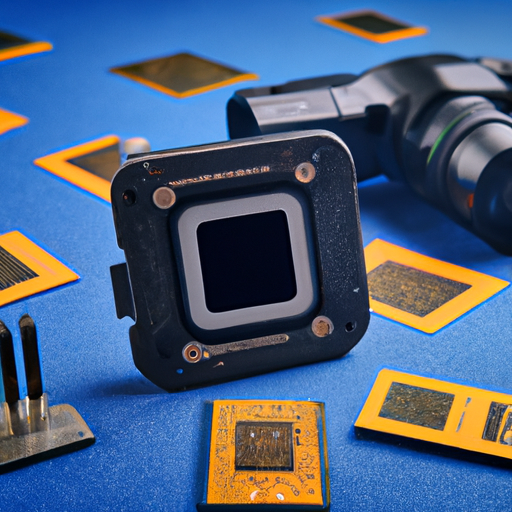
The MM74HC174N, a hex D-type flip-flop integrated circuit, plays a supportive yet crucial role in the broader context of image sensor and camera technology. While it is not an image sensor itself, its applications in digital signal processing, control logic, and data management are vital for enhancing the performance and functionality of imaging systems. Below, we explore key technologies in image sensors and cameras, along with success stories that highlight the impact of these innovations.
| 1. CMOS Image Sensors | |
| 2. Image Signal Processing (ISP) | |
| 3. Machine Learning and AI | |
| 4. Optical Image Stabilization (OIS) | |
| 5. 3D Imaging and Depth Sensing | |
| 6. High Dynamic Range (HDR) Imaging |
The MM74HC174N, while not a direct component of image sensors, serves several important functions in camera systems:
| Data Storage and Buffering: The flip-flop can be used to temporarily store digital signals from the image sensor, ensuring that data is processed efficiently and without loss.Data Storage and Buffering: The flip-flop can be used to temporarily store digital signals from the image sensor, ensuring that data is processed efficiently and without loss. |
| Control Logic: It can be integrated into the control circuitry that manages the timing and operation of the image sensor, such as coordinating exposure times and readout cycles.Control Logic: It can be integrated into the control circuitry that manages the timing and operation of the image sensor, such as coordinating exposure times and readout cycles. |
| Signal Conditioning: The MM74HC174N can help stabilize and condition signals before they are sent to the image processor, ensuring reliable data transmission and processing.Signal Conditioning: The MM74HC174N can help stabilize and condition signals before they are sent to the image processor, ensuring reliable data transmission and processing. |
The integration of advanced technologies in image sensors and cameras has led to remarkable advancements in photography and videography. While the MM74HC174N may not be the focal point of these innovations, its role in digital logic and control systems is essential for the overall functionality and performance of modern imaging devices. As technology continues to evolve, the collaboration between various components, including logic ICs like the MM74HC174N, will remain crucial in driving the next generation of imaging solutions, enhancing user experiences and expanding the capabilities of camera systems.
The MM74HC174N, a hex D-type flip-flop integrated circuit, plays a supportive yet crucial role in the broader context of image sensor and camera technology. While it is not an image sensor itself, its applications in digital signal processing, control logic, and data management are vital for enhancing the performance and functionality of imaging systems. Below, we explore key technologies in image sensors and cameras, along with success stories that highlight the impact of these innovations.
| 1. CMOS Image Sensors | |
| 2. Image Signal Processing (ISP) | |
| 3. Machine Learning and AI | |
| 4. Optical Image Stabilization (OIS) | |
| 5. 3D Imaging and Depth Sensing | |
| 6. High Dynamic Range (HDR) Imaging |
The MM74HC174N, while not a direct component of image sensors, serves several important functions in camera systems:
| Data Storage and Buffering: The flip-flop can be used to temporarily store digital signals from the image sensor, ensuring that data is processed efficiently and without loss.Data Storage and Buffering: The flip-flop can be used to temporarily store digital signals from the image sensor, ensuring that data is processed efficiently and without loss. |
| Control Logic: It can be integrated into the control circuitry that manages the timing and operation of the image sensor, such as coordinating exposure times and readout cycles.Control Logic: It can be integrated into the control circuitry that manages the timing and operation of the image sensor, such as coordinating exposure times and readout cycles. |
| Signal Conditioning: The MM74HC174N can help stabilize and condition signals before they are sent to the image processor, ensuring reliable data transmission and processing.Signal Conditioning: The MM74HC174N can help stabilize and condition signals before they are sent to the image processor, ensuring reliable data transmission and processing. |
The integration of advanced technologies in image sensors and cameras has led to remarkable advancements in photography and videography. While the MM74HC174N may not be the focal point of these innovations, its role in digital logic and control systems is essential for the overall functionality and performance of modern imaging devices. As technology continues to evolve, the collaboration between various components, including logic ICs like the MM74HC174N, will remain crucial in driving the next generation of imaging solutions, enhancing user experiences and expanding the capabilities of camera systems.